25 November 2026
What makes an outdoor attraction comfortable for the whole family?
Presented by @trailtimetogether
Comfort for everyone: the key to a successful family outing
An outdoor attraction that truly works for a family does more than just offer a pretty view. It gives every member of the group, from toddlers to grandparents, a reason to feel at ease. Comfort in this context is not about luxury. It is about removing the small frictions that turn a pleasant day into a tiring ordeal. When you are choosing a place for family outdoor activities, thinking through a few practical details can make the difference between a trip everyone remembers fondly and one they would rather forget.
Age range and activity length
A park or trail that suits a wide age range typically offers variety. A short, flat loop lets young children walk on their own steam, while a slightly longer or steeper alternative gives older kids and adults a satisfying stretch. The best attractions signal this clearly on their maps or signs. If the only option is a single long hike, the youngest members will tire quickly and the oldest may struggle to keep up. Activity length matters just as much. A two-hour outing feels very different from a half-day commitment. For families with small children, a place that offers a solid hour of exploration with a clear stopping point, such as a playground or a picnic area, is often ideal. You can always extend the day if everyone is still keen, but being trapped on a long trail with no shortcut back is a sure way to sour the mood.
Trail difficulty and surface
Trail difficulty is not only about steepness. The surface underfoot matters a great deal for family comfort. A well-graded gravel path is manageable for a pushchair or a buggy, while a rocky, root-covered track is not. Similarly, a boardwalk over a wetland keeps little feet dry and makes the walk accessible for anyone with limited mobility. When a trail description mentions "moderate" difficulty, it is worth checking what that means in practice. A moderate trail for an experienced hiker can be a real challenge for a family with young children or older relatives. Look for attractions that offer multiple difficulty levels or clearly mark which routes are easiest. This lets each family member choose their own adventure without leaving anyone behind.

Rest areas and restrooms
Nothing destroys family comfort faster than a lack of basic facilities. Rest areas that are spaced at sensible intervals give everyone a chance to sit down, have a snack, or simply catch their breath. Benches, picnic tables, or even a grassy spot under a tree can transform a forced march into a relaxed stroll. Restrooms are even more critical. A clean, well-maintained restroom at the trailhead or midway point is a lifeline for families with young children. When you are planning a day out, it is wise to check whether the attraction provides restrooms and where they are located. Some parks have excellent facilities; others have none at all. Knowing this in advance helps you pack supplies and plan your route so that a bathroom emergency does not cut the day short.
Shade and weather forecast
Direct sun can drain energy quickly, especially for children. Shade is a simple but powerful feature that makes an outdoor space more comfortable. A trail that runs through a forest canopy offers natural cooling, while a wide-open meadow can feel oppressive on a hot afternoon. Picnic shelters, covered pavilions, or even a cluster of large trees provide a welcome break from the heat. Checking the weather forecast before you head out is a habit that pays off. A sunny morning can turn into an afternoon thunderstorm, and a breeze that feels refreshing at the trailhead can become a strong wind halfway up a ridge. Knowing what to expect lets you dress appropriately, bring extra layers, and choose an attraction that offers some shelter if the weather shifts.
Parking and access
The first impression of an outdoor attraction often comes from the parking lot. If parking is limited, crowded, or far from the trailhead, the day starts with frustration. Easy access means a parking area that is close to the main entrance, with enough spaces to avoid a long wait. For families loading and unloading children, a short walk from the car to the start of the trail is a real convenience. Some attractions also offer designated drop-off zones or accessible parking spots near the facilities. These small details show that the site has been designed with families in mind. When you are researching a destination, it is worth checking reviews or the official website for parking information. A mention of "ample parking" or "limited spaces, arrive early" can help you decide whether it is worth the drive.

How theblockchattanooga.com helps you plan
A resource like theblockchattanooga.com collects this kind of practical information so that you do not have to dig through dozens of scattered sources. By bringing together details on trail difficulty, restroom locations, shade availability, and parking, it helps families find the right spot for their needs. The goal is to turn a vague idea of "let's go outside" into a concrete plan that works for everyone. Whether you are new to a city or a long-time resident, having a single place to check these details saves time and reduces the guesswork.
Trade-offs and judgment
No outdoor attraction is perfect for every family. A remote wilderness trail offers solitude but lacks facilities. A popular city park has restrooms and picnic tables but can be crowded on weekends. The key is knowing what matters most to your group. If you have a toddler who needs frequent breaks, a trail with benches every quarter-mile is better than a longer, more scenic route with no seating. If you are traveling with an older relative who uses a walking stick, a smooth, flat surface is more important than a stunning viewpoint at the end of a rocky climb. Making these trade-offs consciously helps you choose an attraction that fits your family's actual needs, not just the one with the best photos online.
Signs that an attraction is family-friendly
There are a few quick signs that an outdoor space has been designed with families in mind. Look for clear signage at the trailhead that shows distances, difficulty levels, and points of interest. A map that includes restroom icons, picnic areas, and shade structures is a good indicator. Reviews from other families can also be revealing. If multiple people mention that the trail is "stroller-friendly" or that the restrooms are "clean and well-stocked," those are reliable signals. On the other hand, repeated complaints about "rough terrain" or "no facilities" suggest that the attraction is better suited to experienced hikers without children.
Final tips for a comfortable family outing
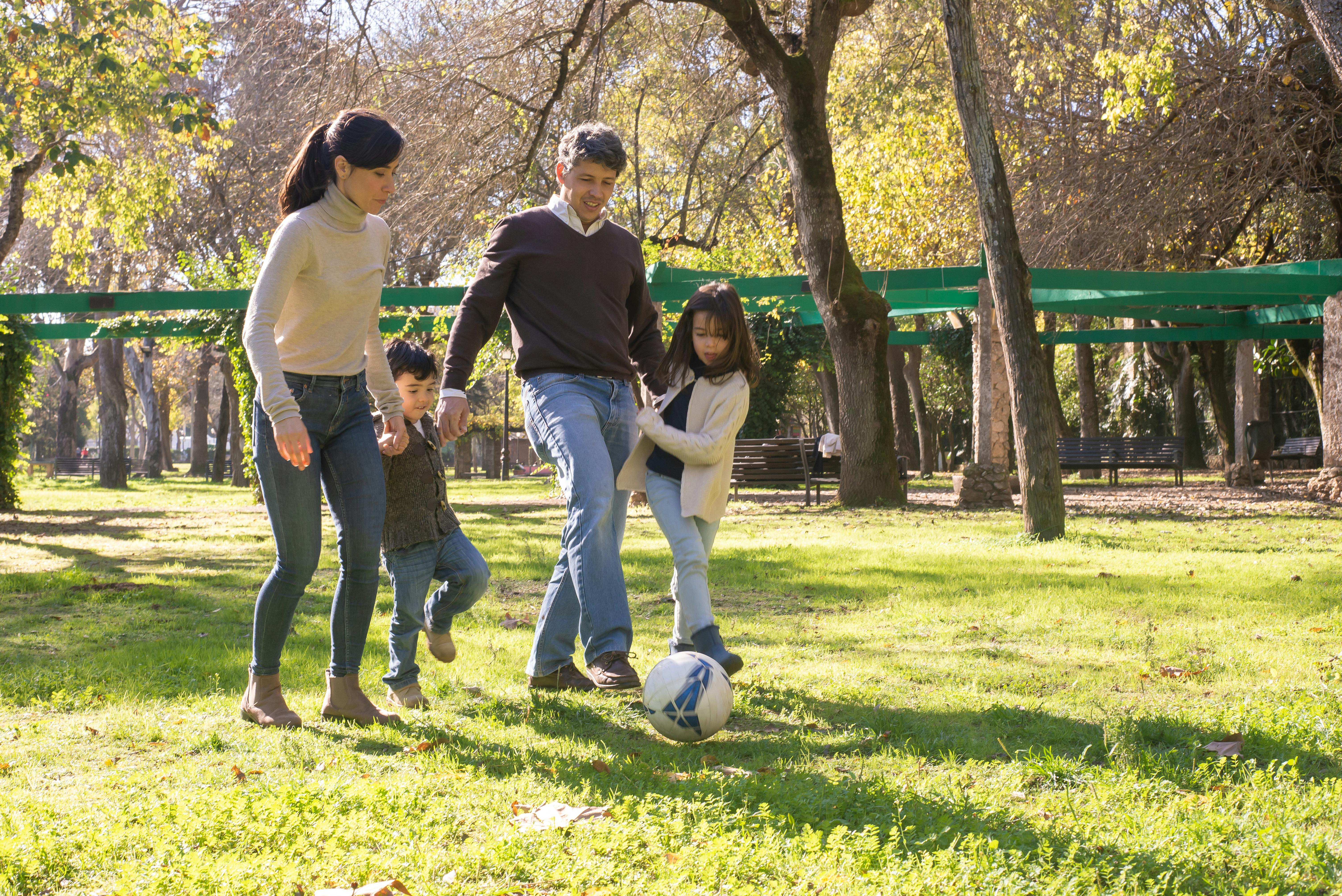
Start small. Choose a short, easy trail with a clear destination, such as a waterfall, a lake, or a playground. Bring plenty of water, snacks, and sun protection. Let the children set the pace and stop often to look at interesting things. If the outing goes well, you can gradually try longer or more challenging routes. The most comfortable family outdoor activities are the ones that leave everyone feeling happy and not exhausted. A little planning goes a long way, and resources like theblockchattanooga.com make that planning easier. By focusing on the practical details that affect comfort, you can turn a simple walk in the woods into a shared memory that your family will want to repeat.